
The Federal Government has unveiled a new policy aimed at reducing education costs for parents, improving learning outcomes, and promoting sustainability through the use of reusable, high-quality textbooks in schools.
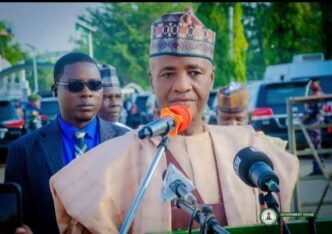
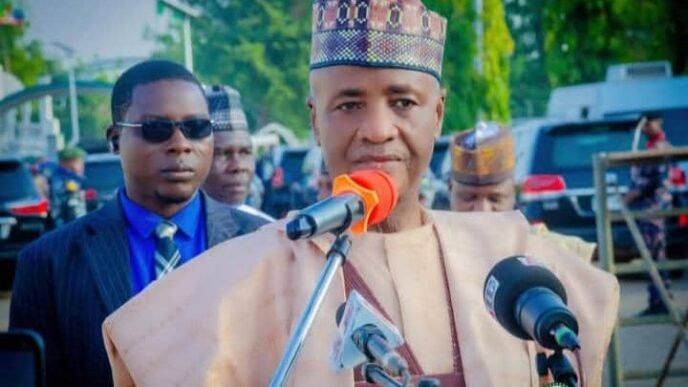
The policy, jointly announced by the Minister of Education, Dr Maruf Tunji Alausa, and the Minister of State for Education, Prof. Suwaba Sai’d, is part of ongoing reforms to strengthen Nigeria’s education sector and ease the financial burden on families.
Under the framework, schools will adopt standardised, durable textbooks designed to last between four and six years. The government has also banned the practice of bundling disposable workbooks with textbooks, ensuring materials can be reused across multiple academic sessions.
According to the ministers, the policy will allow siblings to share textbooks, significantly reduce recurring expenses for parents, and minimise waste, supporting environmental sustainability.As part of broader reforms, the Federal Government has also introduced a uniform academic calendar nationwide to enhance consistency in teaching, learning, and school planning. Graduation ceremonies have equally been streamlined, with only pupils in Primary 6, JSS3, and SSS3 permitted to hold such events, in order to reduce unnecessary financial pressure on parents.
The policy further strengthens textbook assessment and quality assurance processes to address concerns over frequent but superficial textbook revisions that force parents to buy new books annually without meaningful content improvements.
Going forward, textbook revisions must reflect substantial updates in content rather than minor design changes. The government has also placed limits on the number of approved textbooks per subject and grade, aligning Nigeria with international best practices seen in countries such as Japan, Kenya, and Tanzania.
The Nigerian Educational Research and Development Council (NERDC) will continue to oversee the evaluation and approval of instructional materials to ensure they meet curriculum and quality standards.
The Federal Ministry of Education reaffirmed its commitment to education reform, equity, and affordability, while commending the Universal Basic Education Commission (UBEC), NERDC, and other partners for their roles in developing the policy.